
For designers, sourcing is half the job. Finding pieces that are genuinely one-of-a-kind, that arrive in the condition described, and that come from a dealer who actually backs their work — that’s the work. When it comes to Asian antiques specifically, knowing the right sources makes an enormous difference to your project, your client relationship, and your reputation.
Here’s what designers who source here regularly have figured out.
Why Asian Antiques Work in Almost Any Interior
The demand for Asian antiques hasn’t come from one trend — it’s been consistent because the pieces are consistent. A Chinese lacquer cabinet, a Japanese tansu, a hand-carved Indian panel: these bring texture, age, and cultural depth to interiors ranging from traditional to brutalist modern.
The key is contrast. A single exceptional antique in a contemporary room creates the tension that makes both elements more interesting. A Qing Dynasty altar table in a white loft reads differently than it would in a period room — and usually more powerfully. Clients who’ve spent years on Instagram are increasingly after exactly this layered quality, and antiques deliver it in a way that new furniture simply can’t.
What to Look for in a Trade Dealer
Not all antique dealers are created equal, and the differences show up in the moments you can least afford them.
Sourcing transparency. A serious dealer can tell you where a piece came from — the region, the period, the buying trip. If the provenance is vague, that vagueness is an answer.
Rotating inventory. You want a source with deep, active stock — not someone who has the same ten pieces they’ve had for two years. The best dealer relationships are built with people who are constantly sourcing and who know to call you when something arrives that fits your aesthetic.
Accurate condition reporting. This matters more in antiques than almost anywhere else. A source that describes wear and restoration accurately saves you from a conversation no designer wants to have with a client.
Real trade support. Trade pricing, flexible scheduling for client walkthroughs, the ability to hold pieces, and a team that communicates well under deadline pressure.
How Asian Antiques Work Across Project Types
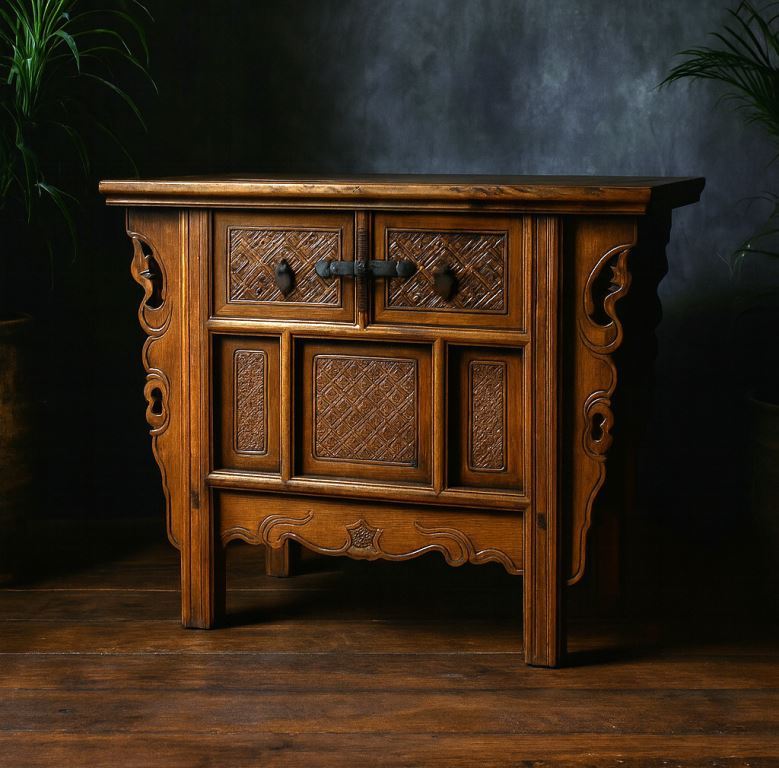
Residential: The most common use case. A Chinese storage cabinet as a media unit or bedroom dresser is often the most requested piece — clients want the storage function with the visual weight of an antique. Tansu chests, altar tables, and lacquered sideboards translate beautifully into living rooms, dining rooms, and primary bedrooms. For urban apartments, smaller pieces — tabletop tansu, ceramic garden seats used as side tables, decorative panels — deliver impact without footprint.
Hospitality and commercial: Hotels, restaurants, and boutiques have been incorporating Asian antiques as statement pieces for decades because they’re durable, memorable, and impossible to replicate exactly. A lobby with a 19th-century carved architectural panel gets photographed. A restaurant corner with an authentic tansu and period ceramics creates ambient atmosphere that neither reproductions nor mass furniture can achieve.
High-end residential and estate work: At the top of the market, clients expect pieces that hold or appreciate in value. Museum-quality Chinese and Japanese antiques — particularly with strong provenance and original condition — satisfy that expectation. For clients who think about their homes as collections, one or two exceptional antiques anchor the entire project.
What Designers Source at FEA Home
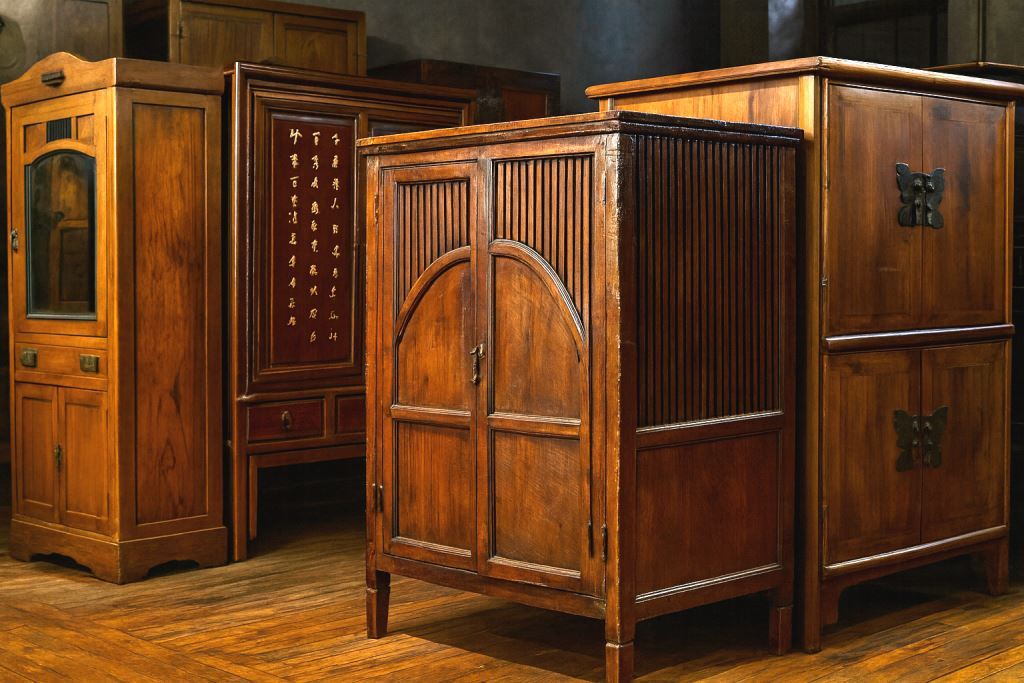
- Cabinets and storage: Chinese lacquer cabinets, Japanese tansu, Korean chests, Indonesian teak sideboards
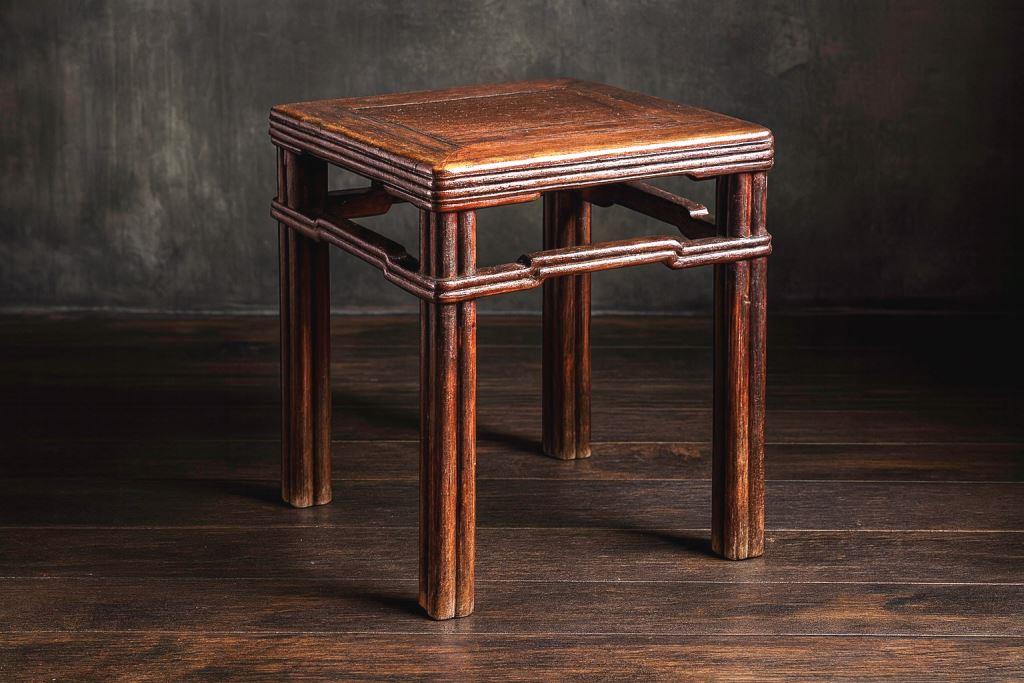
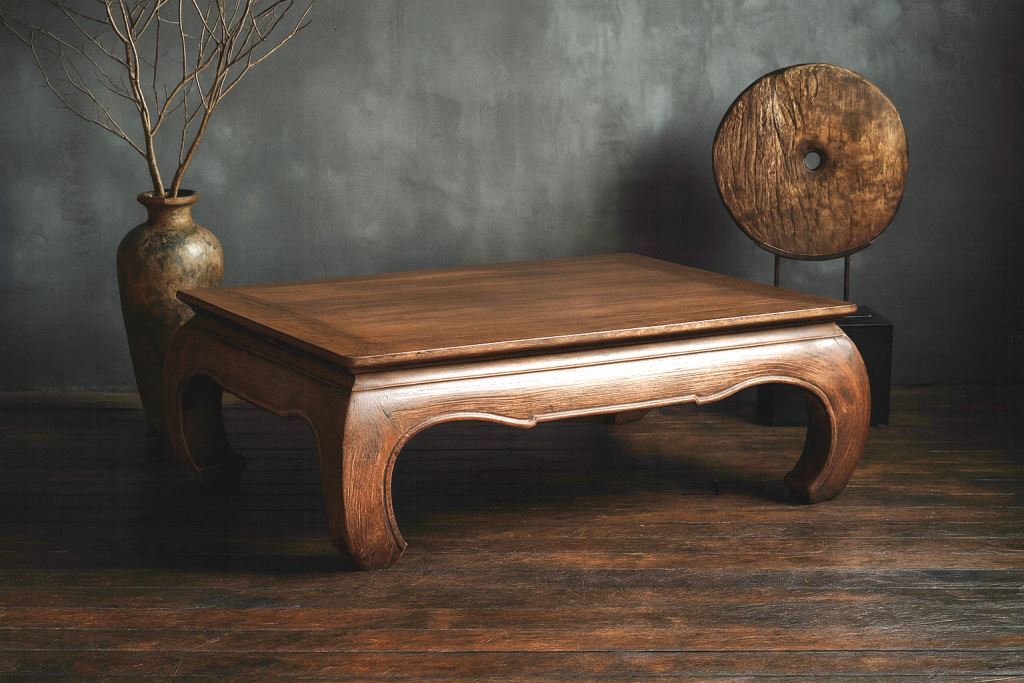
- Tables: Altar tables, low kang tables, elmwood coffee tables, carved console tables
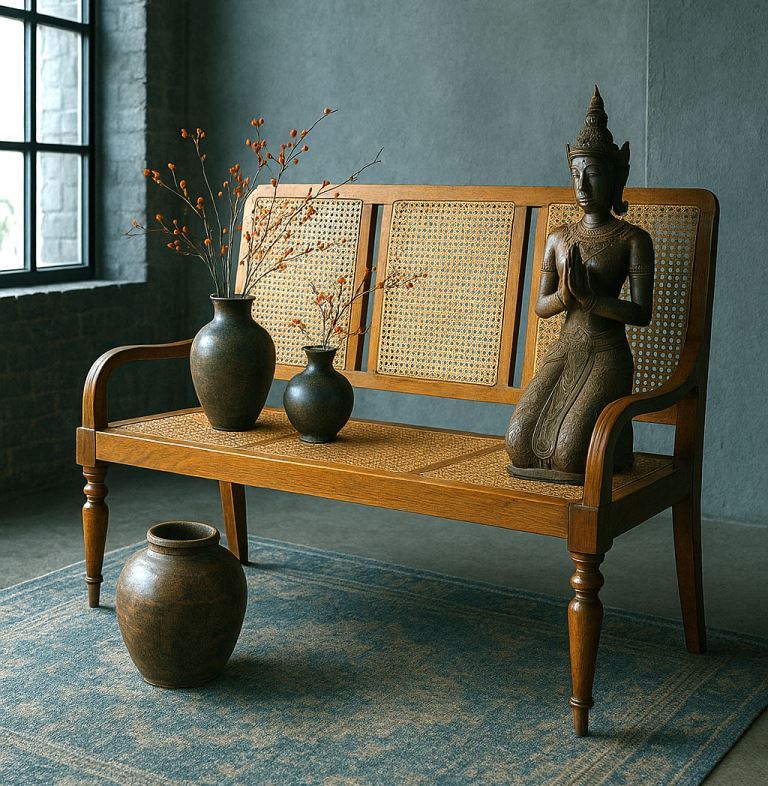
- Seating: Hand-carved benches, rattan and bamboo chairs, carved wood settees
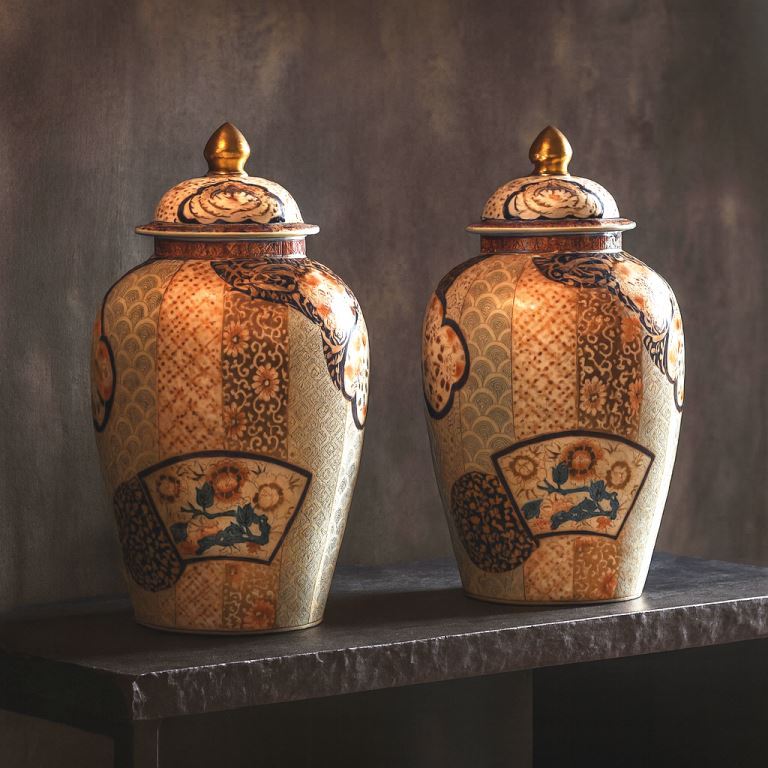
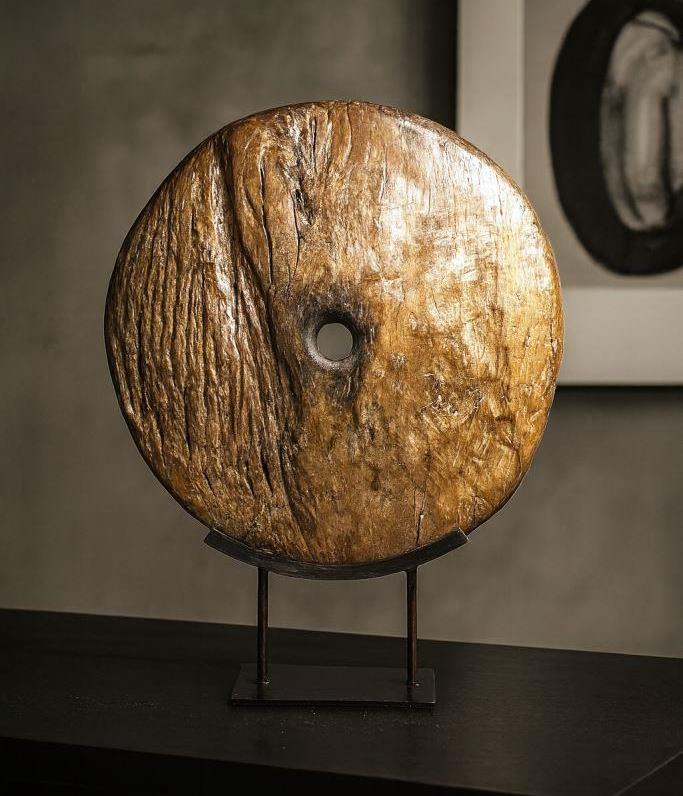
- Decorative objects: Ceramic urns and garden seats, bronze figures, carved wooden panels and architectural fragments, hand-painted screens
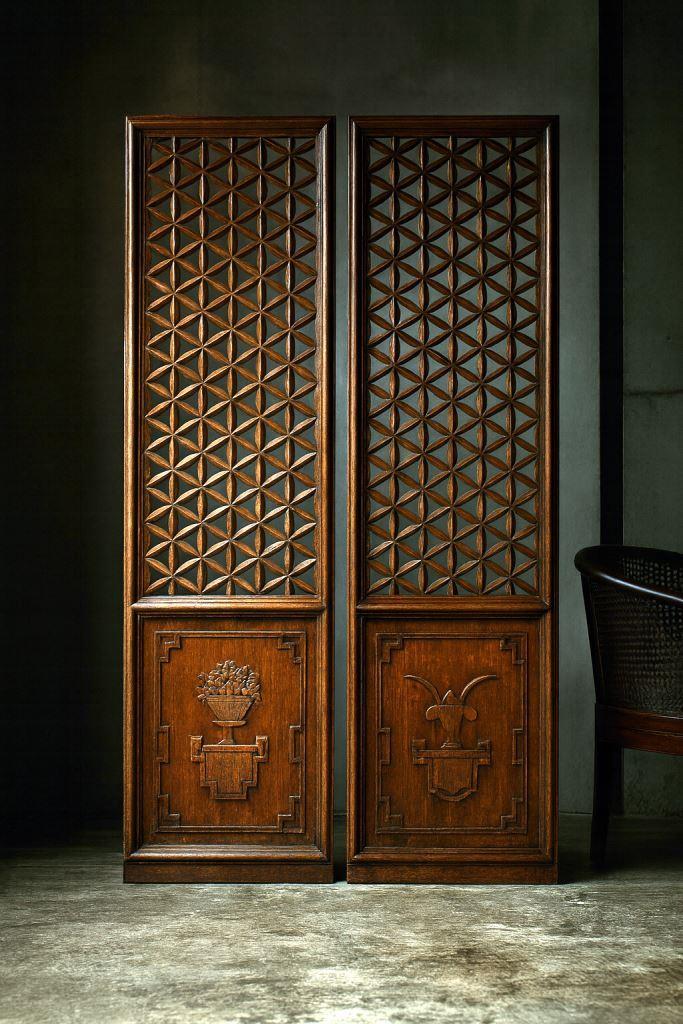
- Wall pieces: Carved doors, decorative panels, antique mirrors, lacquered frames
FEA Home’s Trade Program
We’ve worked with designers, decorators, and design-build firms since 1962. Our trade program includes:
- Exclusive trade pricing across our full inventory
- Early access to new arrivals before pieces are listed publicly
- Personalized sourcing — tell us what you’re looking for and we’ll reach out when it arrives
- Client walkthroughs at our New York area facility, by appointment
- Flexible hold periods for active projects
- Detailed condition reporting and high-resolution photography on request
We work with firms of all sizes, from solo practitioners to large design studios. If you’re regularly sourcing antiques for clients, it’s worth a conversation.
Getting Started
Reach out and introduce yourself. We’ll set up your trade account, talk through your current and upcoming projects, and show you what’s in inventory. If you’re looking for something specific, we’ll keep an eye out as new material arrives.
Apply for trade access →
Browse current inventory →
Contact our team directly →